Market & demand
Traffic counts, trade-area demographics, fuel demand, capture rates, inside sales and seasonality help frame the sales opportunity.
GAS STATION · FEASIBILITY RESEARCH
Evaluate a proposed station, acquisition or expansion through fuel demand, convenience-store sales, site access and financial feasibility. FDS connects the market opportunity to the operating assumptions behind your investment.
THE QUESTIONS THAT MATTER
Before committing to a site or an operating plan, test the assumptions that will drive the project’s performance.
A CLOSER LOOK AT THE OPPORTUNITY
Industry-specific research connects site conditions and market evidence to the financial picture.
Traffic counts, trade-area demographics, fuel demand, capture rates, inside sales and seasonality help frame the sales opportunity.
Parcel conditions, zoning, visibility, ingress and egress, utilities and flood-zone considerations inform site suitability.
Existing and planned fuel retailers, pricing, brand and service mix establish the local competitive context.
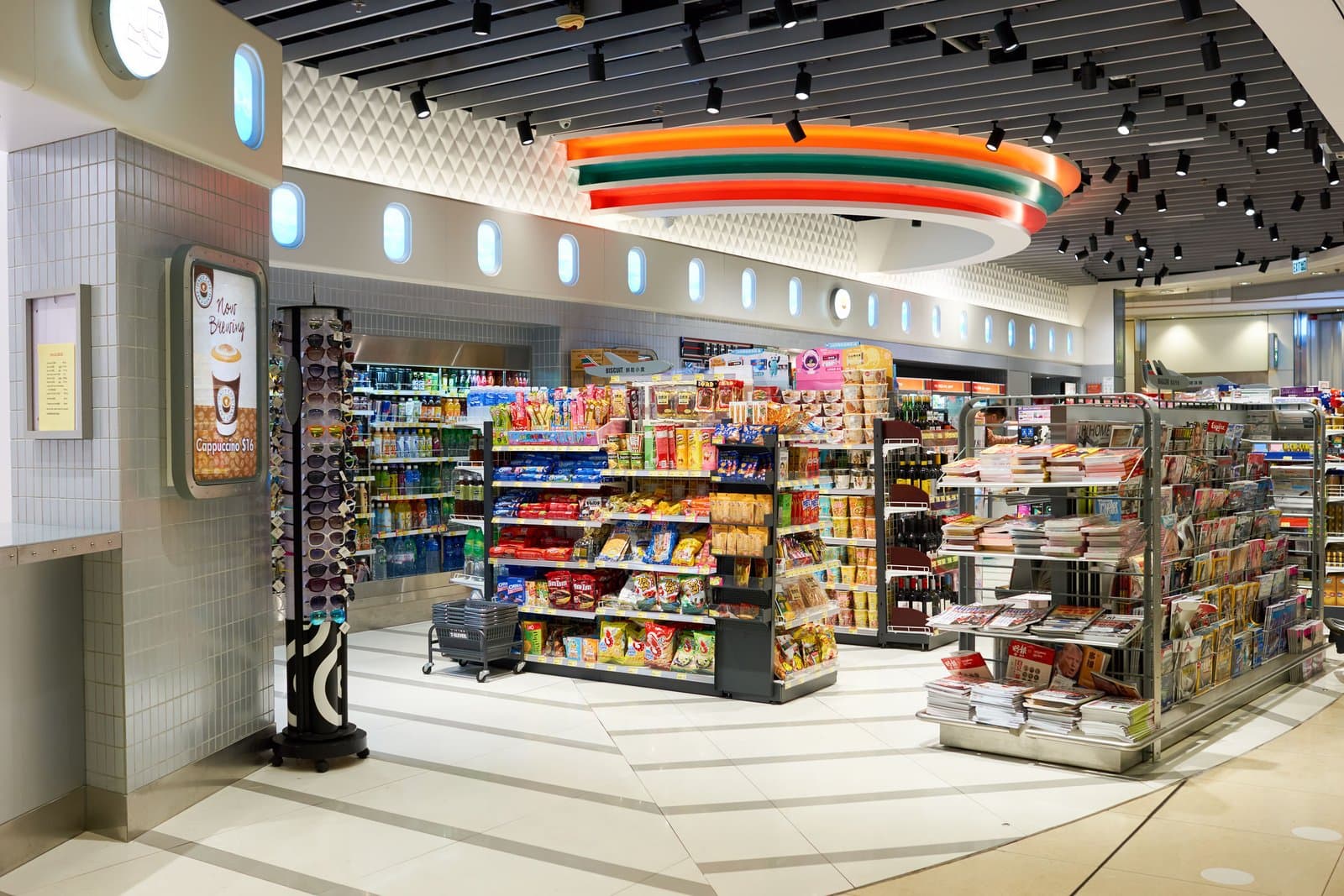
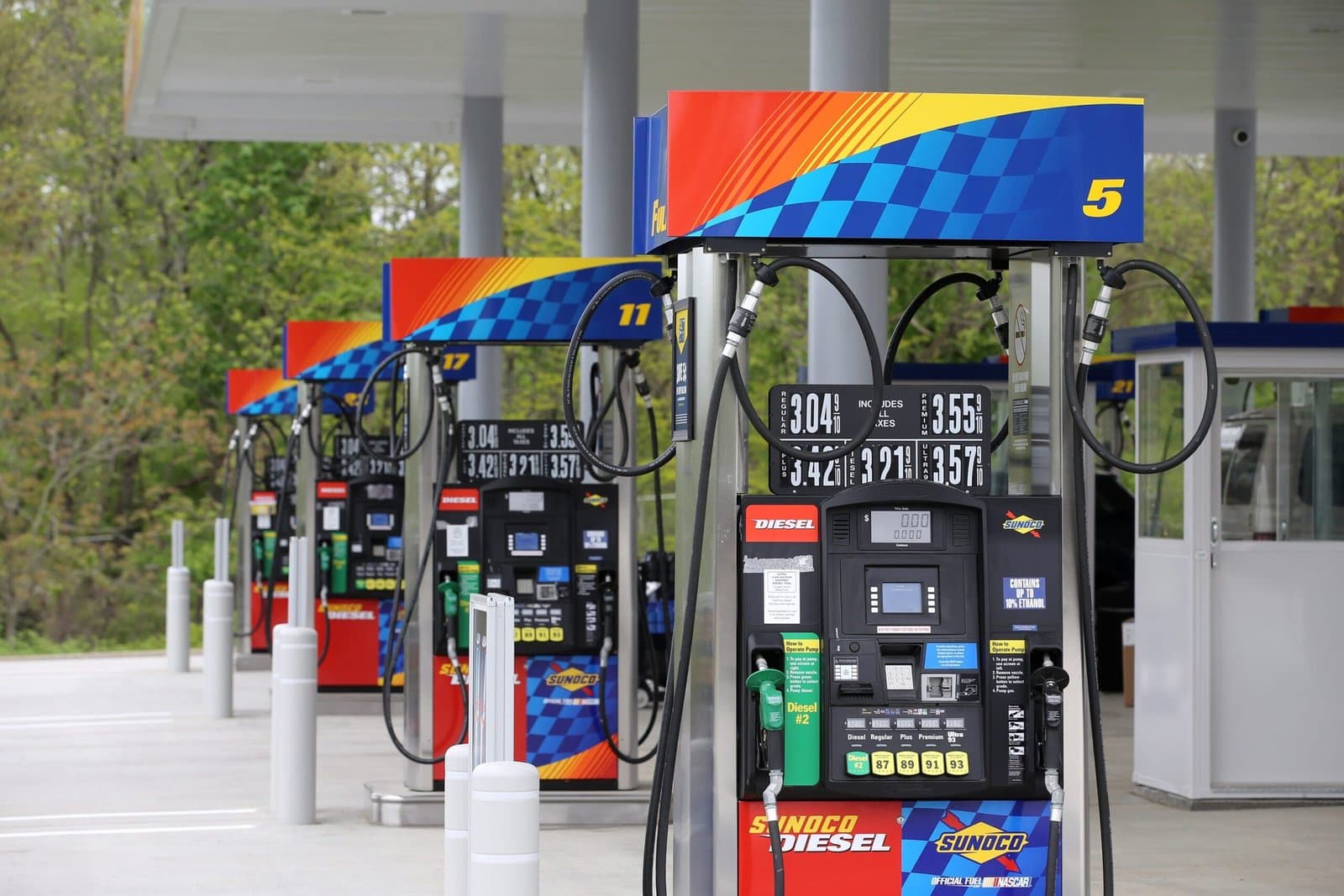
Tanks, canopy, pumps, store layout, optional car wash or QSR components and environmental considerations shape the development assumptions.
Gallons sold, retail revenue, operating costs and capital requirements feed the pro forma, breakeven, DSCR and sensitivity analysis.
The executive summary brings together the project overview, key assumptions and feasibility conclusion. The agreed scope reflects the project and its information requirements.
Share your lender’s requested scope when you enquire. Study requirements vary by project and financing arrangement.
START WITH YOUR MARKET
Choose a city for local research questions, relevant sources and the project information to prepare for this study.
These pages cover major US metro markets. For a project elsewhere, share the property address when requesting your study.
BEFORE YOU GET STARTED
The study connects fuel demand, traffic and site access with nearby competition, convenience-store sales and project costs. The financial analysis tests gallon volume, fuel margins, inside sales and operating expenses rather than treating passing traffic as guaranteed customers.
Fuel gallons and inside-store revenue have different drivers and margins. The study considers traffic capture, competing fuel brands and prices, the store format and customer spending, then tests how changes in either revenue stream affect the overall forecast.
Share the address, proposed purchase or expansion plan, available monthly fuel volumes, inside-sales records, operating expenses and site plans. Identify changes to branding, equipment or store operations so historical results can be distinguished from the proposed business.
Share the lender’s written requirements before the scope is agreed. The study can address market demand and financial assumptions for the lender’s review; the lender determines whether the report meets its requirements and makes the financing decision.
A new development, acquisition and expansion require different information. The site, number of revenue components, available operating records, field-research needs and lender scope affect the quote and proposed schedule. Send those details with your target decision date to request an engagement proposal.
PLAN YOUR STUDY
Prepare for your project discussion with these related feasibility guides.
Organize fuel volumes, inside sales, property records and proposed operating changes into a useful starting package for a gas station evaluation.
Read article : Buying a Gas Station: Records to Review Before the Feasibility StudyOpening or acquiring a gas station may look straightforward, but success depends on much more than finding land and installing pumps. The real key lies in knowing where, when, and how to invest — and that starts with a detailed Gas Station Feasibilit
Read article : Gas Station Feasibility Study – Why It’s the First Step Toward a Profitable Fuel BusinessNot every site supports every type of project. Two properties can have the same acreage and still produce very different results depending on access, traffic patterns, demographics, and competition.
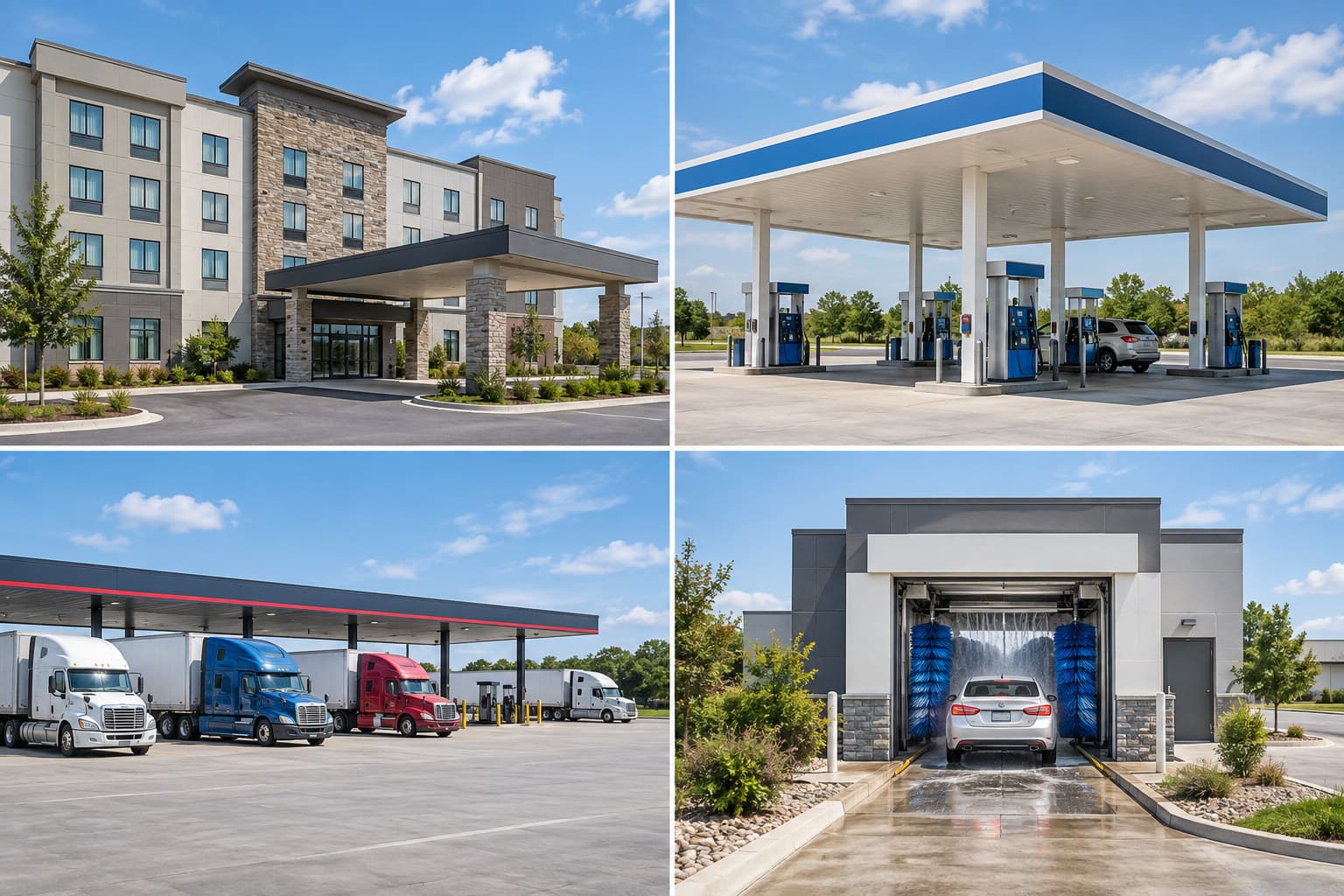
Read article : Hotel vs. Gas Station vs. Truck Stop vs. Car Wash – Which Project Fits Your Site?RELATED PROJECTS
MOVE FORWARD WITH CLARITY