Market & demand
Population, income, daytime and evening activity, and vehicle or pedestrian traffic define the prospective customer base.
CONVENIENCE STORE · FEASIBILITY RESEARCH
Evaluate new stores, expansions and repositioning with research on local demand, product mix, access and financial performance. A strong convenience-store concept needs a trade area that supports its sales assumptions.
THE QUESTIONS THAT MATTER
Before committing to a site or an operating plan, test the assumptions that will drive the project’s performance.
A CLOSER LOOK AT THE OPPORTUNITY
Industry-specific research connects site conditions and market evidence to the financial picture.
Population, income, daytime and evening activity, and vehicle or pedestrian traffic define the prospective customer base.
Visibility, parking, entry and exit movements, zoning and utility availability affect convenience and development feasibility.
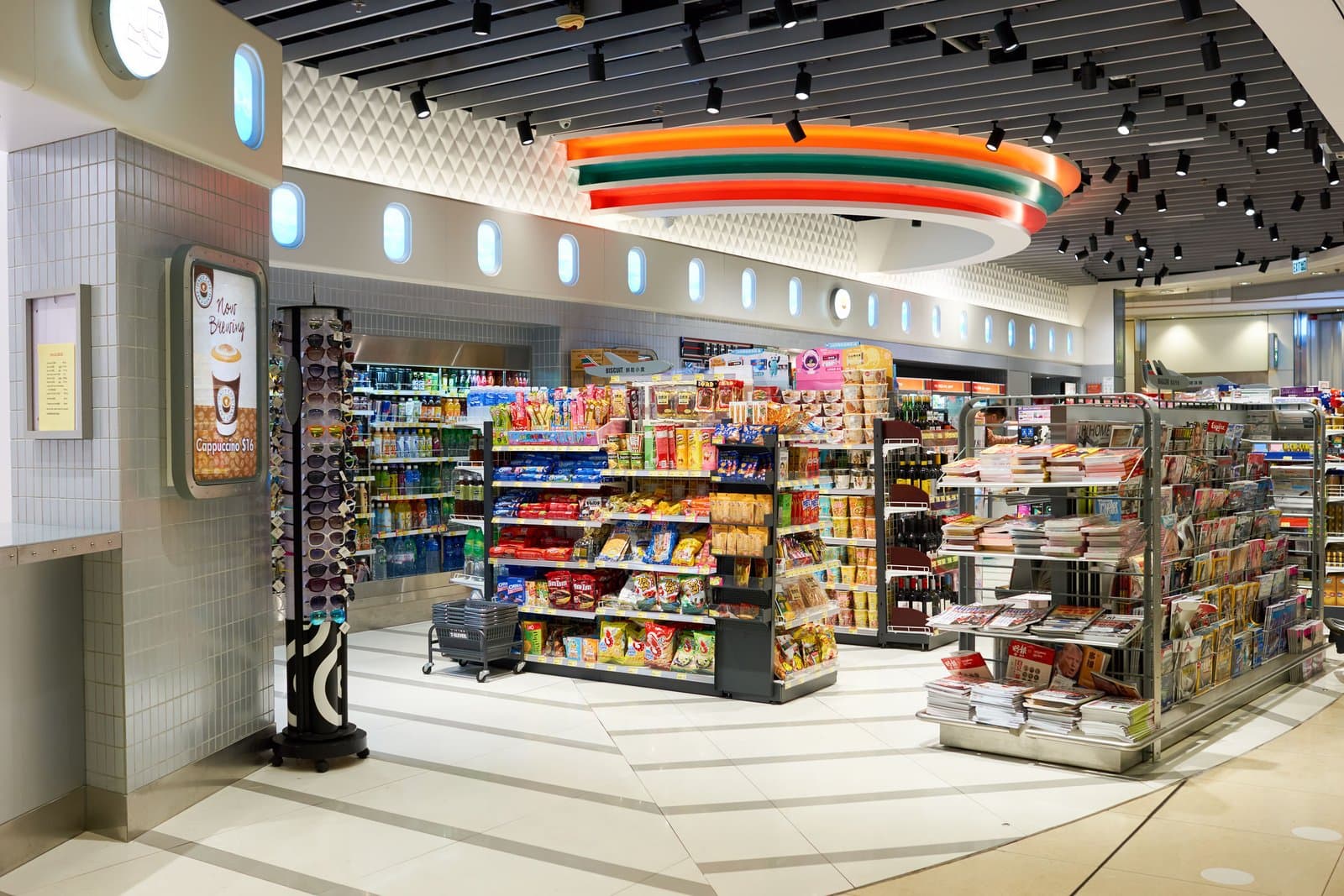
Store formats and product offerings reveal how food service, grocery, snacks, tobacco or licensed retail may fit the market.
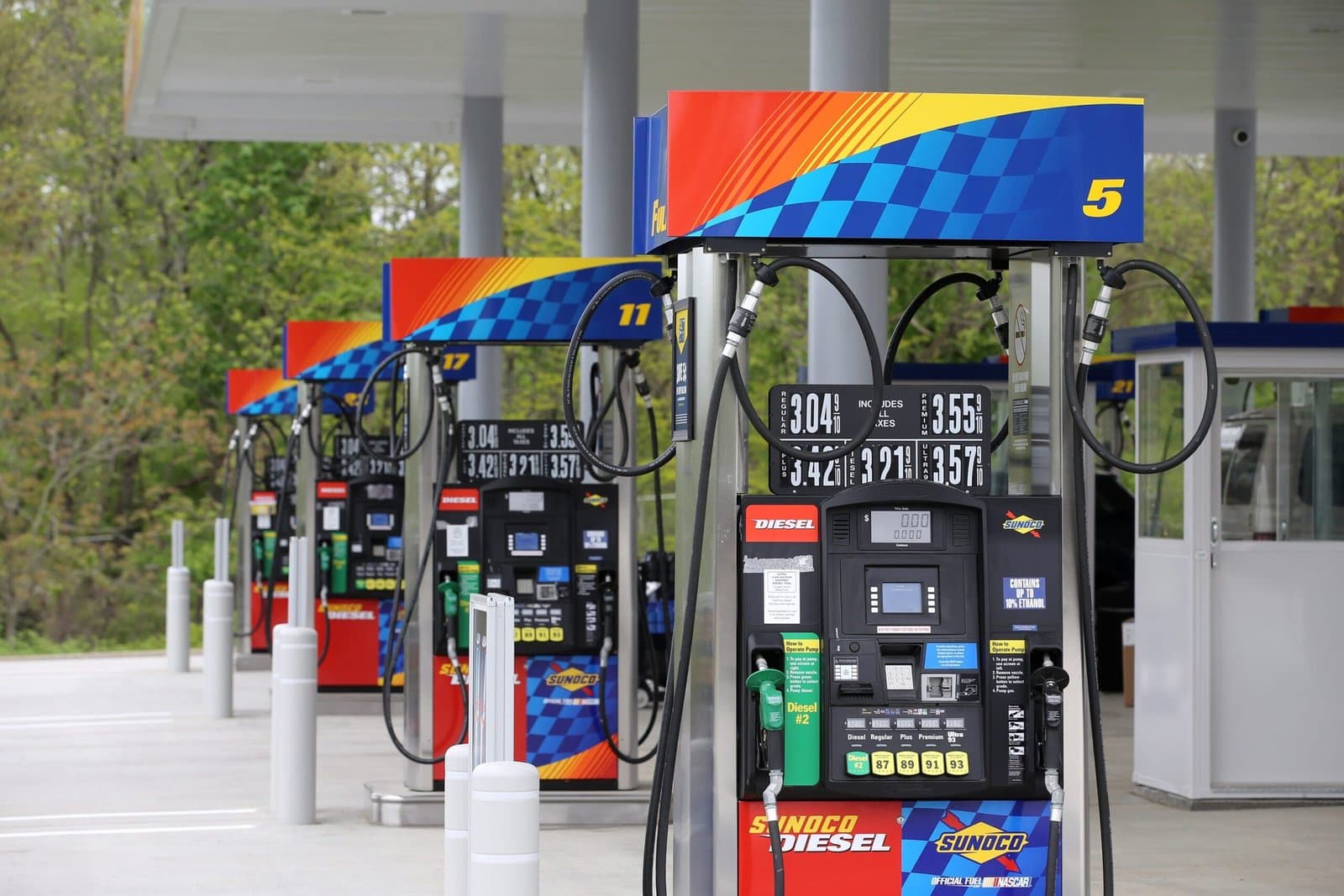
The proposed retail mix, optional fuel, licensing and permitting considerations shape operating and investment needs.
Inside-store sales, ancillary income, seasonality and margin assumptions are tested through the financial forecast and sensitivity analysis.
The executive summary brings together the project overview, key assumptions and feasibility conclusion. The agreed scope reflects the project and its information requirements.
Share your lender’s requested scope when you enquire. Study requirements vary by project and financing arrangement.
START WITH YOUR MARKET
Choose a city for local research questions, relevant sources and the project information to prepare for this study.
These pages cover major US metro markets. For a project elsewhere, share the property address when requesting your study.
BEFORE YOU GET STARTED
The study examines the proposed store format, trade-area customers, traffic and access, nearby competition and the product mix. Revenue and margin assumptions are considered alongside development and operating costs to test the store’s financial feasibility.
Yes. The study scope follows the proposed format. For a store without fuel, the analysis focuses on inside sales, shopping patterns, food service or other proposed categories, customer access and the margins needed to support the operating costs.
Grocery, snacks, beverages and prepared food serve different shopping needs and have different costs and margins. Local household and daytime demand, competing stores and the proposed store size help test whether the assortment and sales assumptions fit the trade area.
Provide the address, store size, proposed categories, available site plans and the development or renovation budget. For an operating store, include sales by category and expenses if available. Share any lender requirements and explain how the proposed format differs from current operations.
Scope depends on the store format, optional fuel or food service, available records and the research needed for the location. Share your project information and decision date so FDS can propose a fee and schedule for the specific engagement.
PLAN YOUR STUDY
Prepare for your project discussion with these related feasibility guides.
Use shopping missions, category requirements and local observations to connect a convenience-store assortment with its site and customer base.
Read article : Convenience Store Planning: Match the Product Mix to the Trade AreaOrganize site documents, concept details, market evidence and project costs so the study starts with a clear decision and useful research questions.
Read article : Preparing for a Feasibility Study: A Project Information ChecklistBuild an assumption register, identify scope gaps and test cost scenarios without hiding uncertainty inside a single project budget.
Read article : Project Cost Scenarios: Separate Quotes, Allowances and UnknownsRELATED PROJECTS
MOVE FORWARD WITH CLARITY