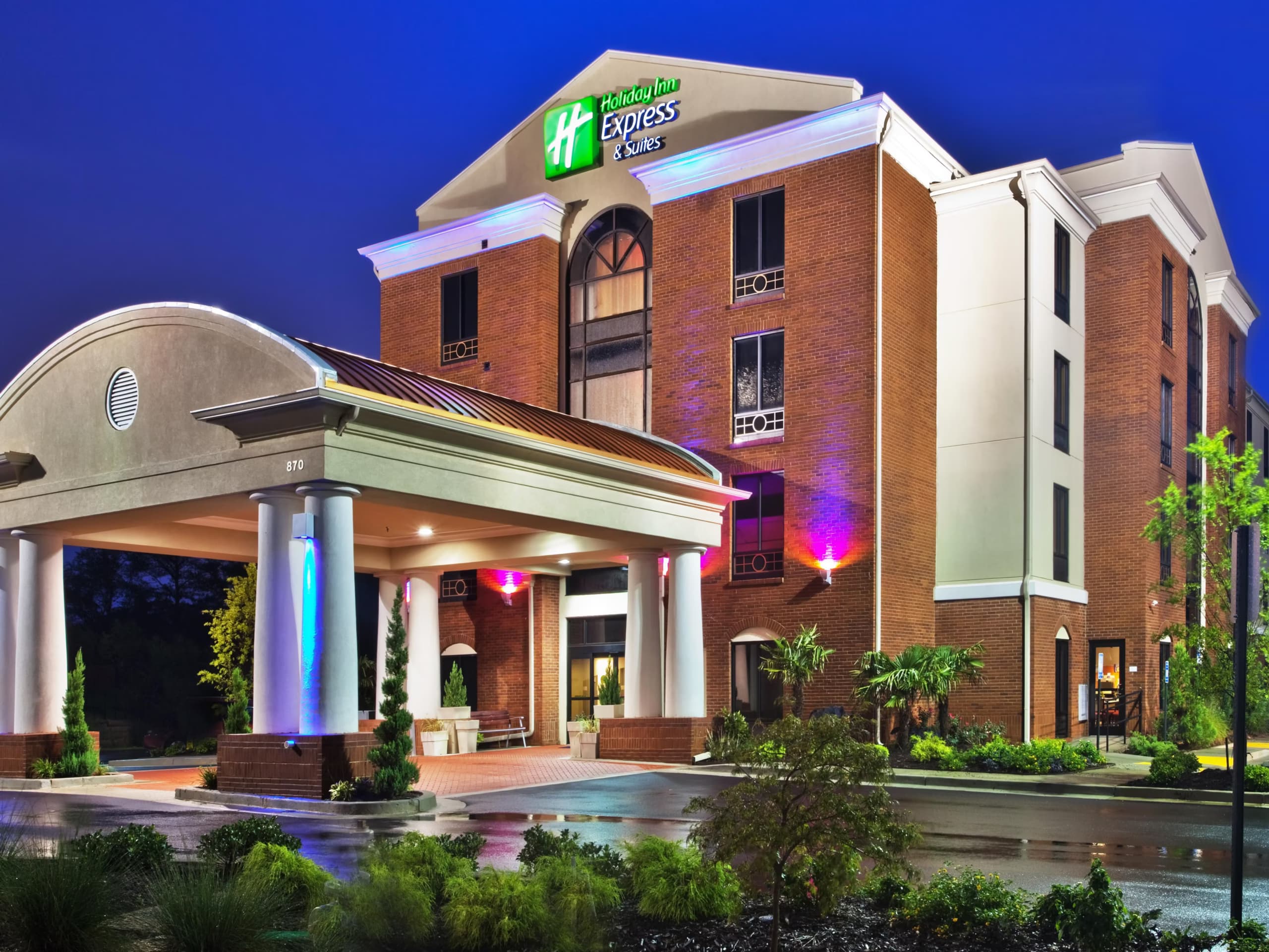
MULTIFAMILY & APARTMENT · FEASIBILITY RESEARCH

Multifamily & Apartment Feasibility Study

A multifamily feasibility study connects the proposed apartment community to the households it would serve. FDS evaluates rental demand, comparable properties, rents, competing supply and lease-up assumptions alongside the project’s development or acquisition costs. The analysis helps investors and developers examine a specific site, unit mix and operating plan before committing capital.

THE QUESTIONS THAT MATTER

Test rental demand, unit mix and the path to occupancy.

Before committing to a site or an operating plan, test the assumptions that will drive the project’s performance.

  1. Which renter households fit the proposed unit sizes and rent levels?
  2. How do comparable communities compete on effective rent, amenities and location?
  3. What existing vacancies and planned developments could affect leasing?
  4. How quickly can the proposed units lease under different demand scenarios?
  5. Do rental income, operating expenses and project costs support the investment?

A CLOSER LOOK AT THE OPPORTUNITY

What the study examines.

Industry-specific research connects site conditions and market evidence to the financial picture.

01 / STUDY SCOPE

Households & rental demand

Population and household change, renter tenure, income and employment provide the starting context for a defined rental market area. The analysis considers the proposed bedroom mix and rent levels against prospective household needs. Broad metro trends are interpreted alongside the project’s neighborhood and target renter profile.


02 / STUDY SCOPE

Site & unit mix

Access to employment, transportation, shopping and services helps frame the location’s appeal. Proposed unit sizes, bedroom counts, amenities, parking and available development information are reviewed together. Site constraints and unresolved entitlement or infrastructure questions are recorded as inputs for the project team to confirm.

03 / STUDY SCOPE

Comparable rents & supply

Comparable communities are assessed by location, condition, unit size and amenities. Asking rents, available concessions, occupancy and relevant operating information help distinguish advertised pricing from income assumptions. Existing vacancies and projects proposed or under construction are considered separately because their timing and certainty differ.

04 / STUDY SCOPE

Absorption & occupancy

The expected pace of leasing is evaluated with the unit mix, competing supply and proposed delivery schedule. Lease-up scenarios distinguish the opening period from stabilized operations and test the effect of slower leasing or additional concessions. A permit or announced project is not treated as an occupied competing property.

05 / STUDY SCOPE

Financial feasibility

Rent by unit type, vacancy, concessions and other income are connected to management, maintenance, utilities, insurance, taxes and the proposed project budget. Cash-flow and sensitivity analysis test changes in rents, operating costs and occupancy. Existing-property records and renovation assumptions are identified separately when evaluating an acquisition or repositioning.

06 / THE REPORT

Findings in context

The executive summary brings together the project overview, key assumptions and feasibility conclusion. The agreed scope reflects the project and its information requirements.

Share your lender’s requested scope when you enquire. Study requirements vary by project and financing arrangement.

BEFORE YOU GET STARTED

Your questions, answered.

What does a multifamily or apartment feasibility study include?

The study evaluates the proposed location, renter demand, unit mix, comparable apartments, rental pricing, vacancy and competing supply. Those market findings inform leasing, revenue and operating assumptions so the project’s financial feasibility can be considered alongside its development, acquisition or renovation budget.

How are achievable apartment rents evaluated?

Useful comparisons account for location, unit size, bedroom count, property condition and amenities. Asking rents and concessions are considered alongside available occupancy and operating evidence. A nearby listing alone does not establish the rent a proposed project will achieve; differences between the comparable and proposed property need to be explained.

What is absorption, and why does it matter for a new apartment project?

Absorption describes the pace at which units are taken up by the market. At the project level, a lease-up assumption affects how long the property operates below stabilized occupancy. Testing slower leasing, competing deliveries and concessions helps show how the opening period affects income and the funding needed to reach the operating target.

Can an existing apartment acquisition or renovation be evaluated?

An existing property provides operating evidence that a new development does not. Share the current rent roll, available occupancy history, income and expenses, proposed purchase terms and renovation plan. The analysis can then distinguish current performance from assumptions about rent changes, unit improvements and leasing after the work.

What information should I provide for a multifamily study?

Send the site address, project stage, unit count, bedroom mix, unit sizes, proposed rents, amenities and available plans. Include the budget, development or renovation schedule, financing assumptions and any lender’s written requirements. Identify any proposed rent or income restrictions so the required scope can be discussed before the engagement is agreed.

How are the study cost, timing and lender scope determined?

The number of units, market area, project stage, available records, research needs and requested financial analysis shape the proposal. Share your target decision date and the lender’s scope at the start. FDS can then define the work, fee and schedule; the lender decides whether the completed report satisfies its requirements.

PLAN YOUR STUDY

Research questions to explore next.

Prepare for your project discussion with these related feasibility guides.

NATIONWIDE SERVICE · LOCAL EVIDENCE

Start with the market around your site.

Explore local planning resources, customer-access questions and the information to prepare for a feasibility study in your market.

Browse all 50 market guides →

RELATED PROJECTS

Explore connected industries.

MOVE FORWARD WITH CLARITY

Have a project in mind?
Let’s look at the opportunity.

Request a Feasibility Study