
RESTAURANT · Minnesota
Restaurant Feasibility Study in Minneapolis–St. Paul, MN
A Minneapolis restaurant should connect its seats, kitchen and dayparts with neighborhood customers and nearby competition. Housing research needs dates and geography appropriate to that location. A change of use may raise sewer-demand questions in participating communities, so obtain project-specific inputs before testing covers, average check and fit-out costs against the intended operating format.
Market context: Minneapolis-St. Paul-Bloomington, MN-WI
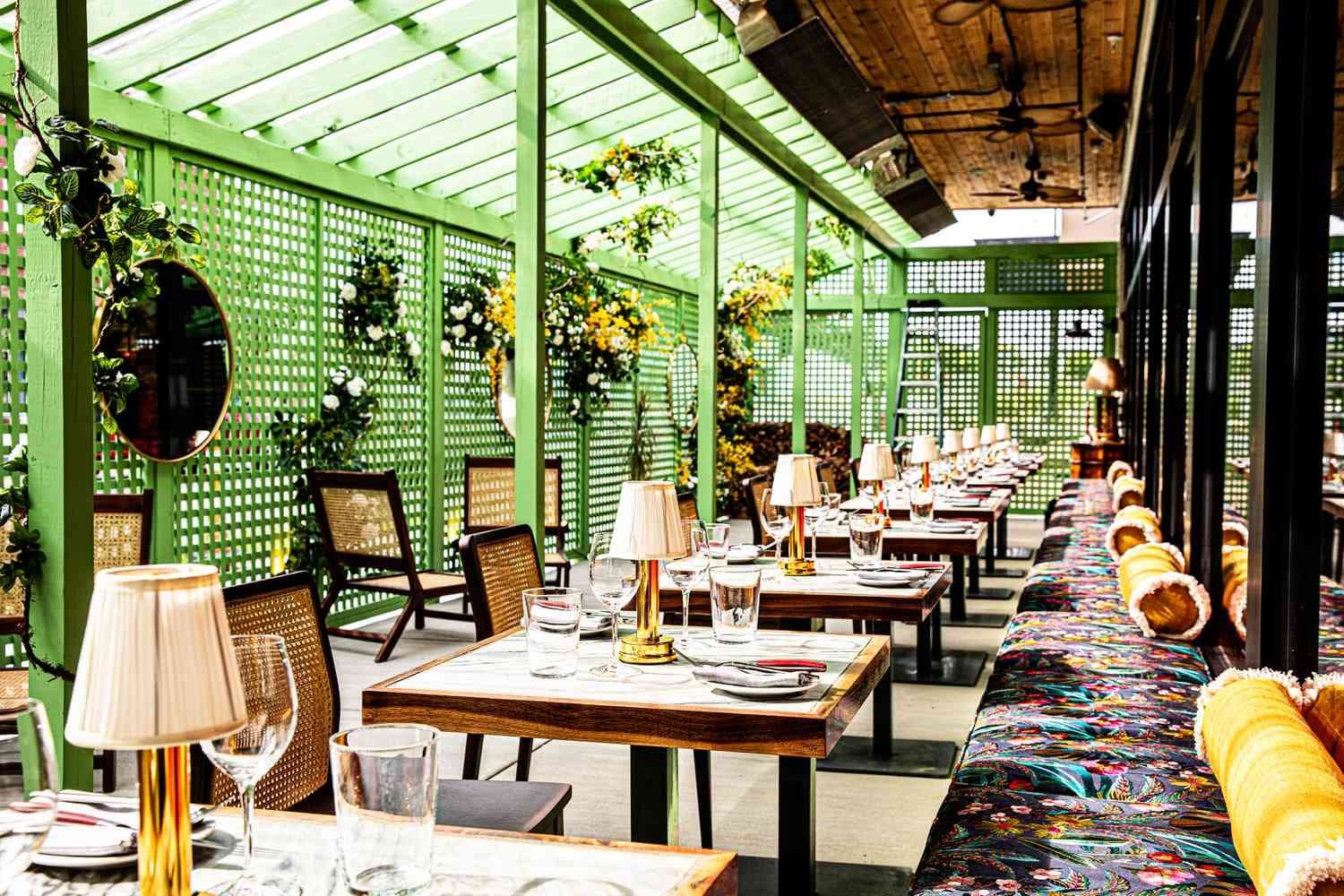
THE PROJECT IN ITS MARKET
Local questions for your restaurant project.
Use these questions to connect the Minneapolis–St. Paul setting to the proposed site, customers and operating plan.
What seats, kitchen activity and existing-use details are needed to investigate sewer-demand charges for the restaurant proposal?
Metropolitan Council Sewer Availability Charge →Confirm the parcel’s city or county and the authority responsible for each record. Metro boundaries, customer trade areas and planning jurisdictions serve different purposes.
FROM EVIDENCE TO A DECISION
Build the restaurant investment case.
Connect the local findings to demand, operating capacity and financial assumptions. The agreed study scope follows the actual property and the decision you need to make.
Daypart demand
Build the demand case around actual customer occasions and access at the proposed hours. Lunch, dinner, delivery and weekend visits may serve different audiences.
Throughput and spend
Connect transactions, average check and service capacity. Check whether seating, kitchen output and staffing support the assumed peak periods.
Breakeven
Test food and labor costs alongside lower sales and delayed opening. Identify the volume required to support occupancy costs and the initial investment.
PREPARE YOUR PROJECT BRIEF
What to send for your Minneapolis–St. Paul study.
Start with the materials you already have. Identify assumptions and missing information so they can be addressed when defining the research scope.
Industry and operating inputs
- Concept, menu, price range, seating, service style and intended dayparts.
- Entrance, parking, delivery and kitchen plans plus nearby competing concepts.
- Lease terms, fit-out and equipment budget, food costs, labor and operating hours.
Local property records
- Municipality, parcel zoning record and relevant pending application status.
- Housing or customer evidence with observation dates and geographic boundaries.
- Existing use, proposed equipment or capacity and sewer-provider correspondence.
- Development budget separating confirmed estimates from unresolved allowances.
PLANNING YOUR ENGAGEMENT
Minneapolis–St. Paul study questions.
What information starts a Minneapolis–St. Paul restaurant study?
Share the parcel address, proposed project program and current decision. Include the industry inputs listed above, available local records and any lender scope. FDS can then discuss the research needed, deliverables, timing and fee for that property.
Does the Minneapolis–St. Paul market guide apply to every nearby jurisdiction?
The market context is Minneapolis-St. Paul-Bloomington, MN-WI. Planning and servicing records must come from the authority responsible for the actual parcel. The linked city resources help identify research questions; properties outside that city need their own jurisdiction's records.
TELL US ABOUT YOUR SITE
Plan your Minneapolis–St. Paul restaurant study.
Send the project address, concept and current stage. Include available plans, operating records or lender scope so FDS can discuss the fee, timing and research needed for your project.
FDS serves this market through its nationwide research service, with phone consultations and project visits scoped to the engagement.
info@falcondataservice.com